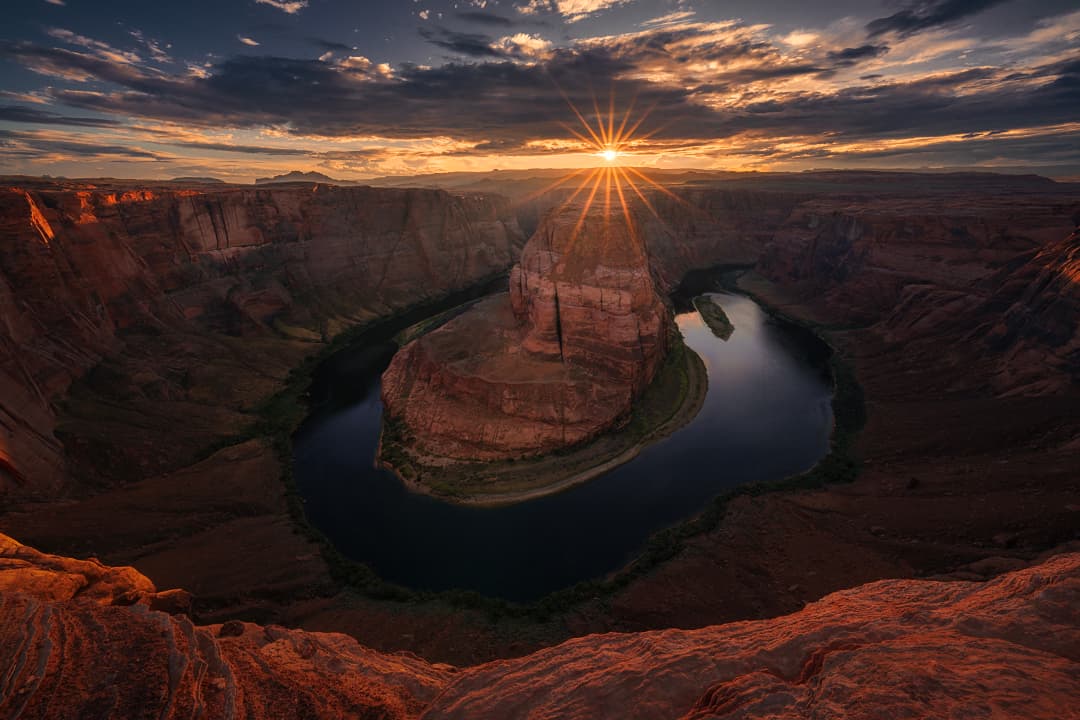
A guide for interior designers seeking museum-quality fine art landscape photography. Discover sourcing strategies, trade advantages, and how to select artwork that elevates every project.
As an interior designer, you understand that artwork is not simply decoration — it is the element that transforms a well-designed space into an emotionally resonant environment. The right piece of art anchors a room, sets its mood, tells a story, and gives clients something deeply personal to connect with. But sourcing exceptional artwork — particularly fine art landscape photography — can be one of the most time-consuming and uncertain aspects of a project.
This guide is written specifically for interior designers who want to streamline their art sourcing process while maintaining the highest standards of quality, authenticity, and visual impact. I work regularly with designers across residential, hospitality, and commercial sectors, and the insights below reflect what I have learned from those collaborations.
Why Fine Art Landscape Photography Works for Interior Design
Among all art forms, landscape photography offers unique advantages for interior design applications:
Universal Appeal: Landscape photography resonates with virtually every viewer. Unlike abstract art or portraiture, which can polarize opinion, a beautifully captured landscape creates an immediate emotional connection — a sense of place, of beauty, of escape — that enhances any environment without alienating any occupant or visitor.
Versatile Scale: Fine art photographs can be produced at virtually any size, from intimate 40 cm prints to monumental 200+ cm installations. This flexibility allows designers to fill any wall with precisely the right visual impact.
Mood Control: Different landscapes create dramatically different atmospheres. A warm, golden sunset creates warmth and comfort; a cool, blue-toned seascape evokes calm and sophistication; a black and white mountain scene conveys timeless authority. This range allows designers to fine-tune the emotional register of any room.
Color Coordination: Landscape photographs naturally contain palettes drawn from nature — earth tones, sky blues, forest greens, ocean greys — that integrate harmoniously with most material palettes used in interior design.
Timeless Quality: Unlike trend-dependent art forms, landscape photography carries an enduring aesthetic that does not date. A well-chosen landscape photograph will look as relevant in twenty years as it does today — an important consideration for high-investment residential and hospitality projects.
Where Designers Typically Source Artwork
Interior designers typically source artwork through several channels, each with distinct advantages and limitations:
Commercial Art Galleries
Galleries offer curated selections and the prestige of gallery representation. However, gallery markups are typically 50-100% above the artist's price, and the selection is limited to artists the gallery represents. For large projects requiring multiple pieces, gallery sourcing can become prohibitively expensive.
Art Fairs and Exhibitions
Events like Art Basel, Paris Photo, and Frieze offer exposure to a wide range of artists and styles. They are excellent for discovery but impractical for project-specific sourcing on tight timelines.
Online Art Platforms
Platforms like Artsy, Saatchi Art, and 1stDibs have democratized art sourcing, offering vast inventories with powerful search and filter tools. However, quality varies enormously, and it can be difficult to assess print quality, edition legitimacy, and artist credibility through a screen alone.
Directly From the Artist
Sourcing directly from the photographer offers the most compelling combination of advantages: no gallery markup, direct communication about customization options, guaranteed authenticity, and the ability to build a long-term professional relationship that benefits future projects. This is the model I offer to interior designers, and it is the one I recommend most enthusiastically.
What to Look for When Selecting Fine Art Photography
When evaluating fine art photography for a client project, consider these essential criteria:
Edition Size and Scarcity
Ensure the prints are genuinely limited edition — not open editions marketed with vague language. Ask for the specific edition size, and verify that the artist tracks and documents each sale. For luxury projects, editions of 25 or fewer carry the strongest perception of exclusivity and investment value.
Print Quality and Medium
Museum-grade printing is non-negotiable for professional interior design applications. The two primary mediums for fine art photography are archival fine art paper (Hahnemühle, Canson) and acrylic face-mount. Paper offers warmth, texture, and traditional gallery appeal. Acrylic offers extraordinary luminosity, color depth, and a frameless, contemporary presentation. For a detailed comparison, see my guide on fine art paper vs. acrylic prints.
Artist Credibility
Research the artist's exhibition history, press coverage, existing collections, and online presence. An artist with a consistent body of work, professional presentation, and documented sales history is a reliable partner for design projects.
Authentication and Documentation
Every piece should include a hand-signed certificate of authenticity, edition numbering, and archival-quality packaging. This documentation protects both the designer's professional reputation and the client's investment.
Practical Considerations for Design Projects
Lead Times
Fine art prints are produced to order, not pulled from inventory. Expect lead times of 2-4 weeks for standard orders and 4-8 weeks for large-format or custom specifications. Communicate deadlines early to avoid delays.
Custom Sizing
Many fine art photographers — myself included — offer custom sizing to match specific wall dimensions and design requirements. If a standard size does not fit your vision, ask. Customization is one of the key advantages of working directly with the artist.
Framing Coordination
Discuss framing preferences with the artist before ordering. A skilled fine art photographer will advise on frame profiles, matting options, and presentation styles that complement both the image and the interior. I provide framing recommendations with every order and can coordinate with your preferred framer.
Shipping and Installation
Fine art prints require specialized packaging and climate-controlled shipping. Ensure the artist uses museum-grade crating, acid-free tissue interleaving, and appropriate insurance. For large installations, coordinate delivery timing with your project schedule to minimize on-site storage requirements.
Case Studies: How Designers Use Fine Art Photography
To illustrate how fine art landscape photography integrates into professional design projects, here are examples from collaborations with designers who have sourced artwork from my collection:
Luxury Alpine Chalet, Verbier: The designer selected three large-format prints from my Switzerland collection for the main living area. The images — depicting the Matterhorn at dawn, a frozen alpine lake, and a snow-covered forest — connected the interior to the surrounding landscape while adding layers of depth and sophistication. Each print was produced as a 180 cm acrylic face-mount, creating a gallery-like experience within the residential space.
Boutique Hotel, Milan: For a twenty-room boutique hotel, the designer curated a selection of black and white mountain photographs to provide visual consistency across guest rooms while offering unique compositions in each. The monochrome palette complemented the hotel's minimalist aesthetic, and the limited edition provenance added a layer of exclusivity that aligned with the brand's positioning.
Corporate Headquarters, Zurich: A design firm commissioned eight large-format landscape prints for executive offices and conference rooms. The selections ranged from dramatic Patagonian peaks to serene Swiss lake reflections, each chosen to reflect the values of ambition, clarity, and global perspective that defined the client's brand identity.
Building a Long-Term Sourcing Relationship
The most effective designer-artist relationships are long-term partnerships built on mutual understanding. When you find a photographer whose work resonates with your design philosophy, invest in that relationship:
Communicate your design language: Share mood boards, material samples, and project briefs. The more context the artist has, the better they can recommend specific works or even create custom commissions.
Provide installation feedback: After the artwork is installed, share photographs of the finished space. This helps the artist understand how their work functions in designed environments, leading to better recommendations in future collaborations.
Plan ahead: Whenever possible, involve the artist early in the design process — ideally during the concept phase — so that art selection is integrated with the overall design rather than treated as a last-minute addition.
Frequently Asked Questions From Designers
Can I order sample prints before committing to a large order? Yes. I offer sample prints in smaller formats so you can evaluate color accuracy, print quality, and surface finish in the context of your project before ordering full-size pieces.
Do you offer exclusive images for specific projects? For select projects, I can reserve specific images or edition numbers, ensuring that your client receives a unique piece that will not appear in another project within the same market. Discuss exclusivity requirements during the initial consultation.
What if my client wants to return or exchange a print? I stand behind every print I produce. If a print does not meet expectations upon delivery, I work with the designer to find a satisfactory resolution, whether that means a replacement print, an exchange for a different image, or a refund. Client satisfaction is the foundation of every lasting professional relationship.
How do you handle multi-location projects? For hospitality groups and corporate clients with multiple locations, I offer coordinated art programs that maintain visual consistency across properties while ensuring each location features unique selections. This approach creates brand coherence without repetition.
Working With Me: What I Offer Interior Designers
I work extensively with interior designers and welcome inquiries for both residential and commercial projects. Here is what you can expect:
- Trade consultation: I provide personalized art recommendations based on your project brief, spatial requirements, and design direction.
- Full collection access: Browse my complete landscape photography collection spanning the Swiss Alps, Patagonia, Namibia, Dolomites, and destinations worldwide.
- Multiple print mediums: Every image is available on museum-grade fine art paper and acrylic face-mount, in custom sizes.
- Guaranteed authenticity: Every print ships with a hand-signed certificate of authenticity, edition documentation, and archival packaging.
- Project support: From initial consultation through delivery and installation guidance, I support the complete project lifecycle.
Explore collector favorites, browse new releases, or contact me directly to discuss your upcoming project. I look forward to collaborating with you to bring exceptional fine art into your clients' spaces.
Ready to Explore?
Browse the gallery to discover available limited edition prints.